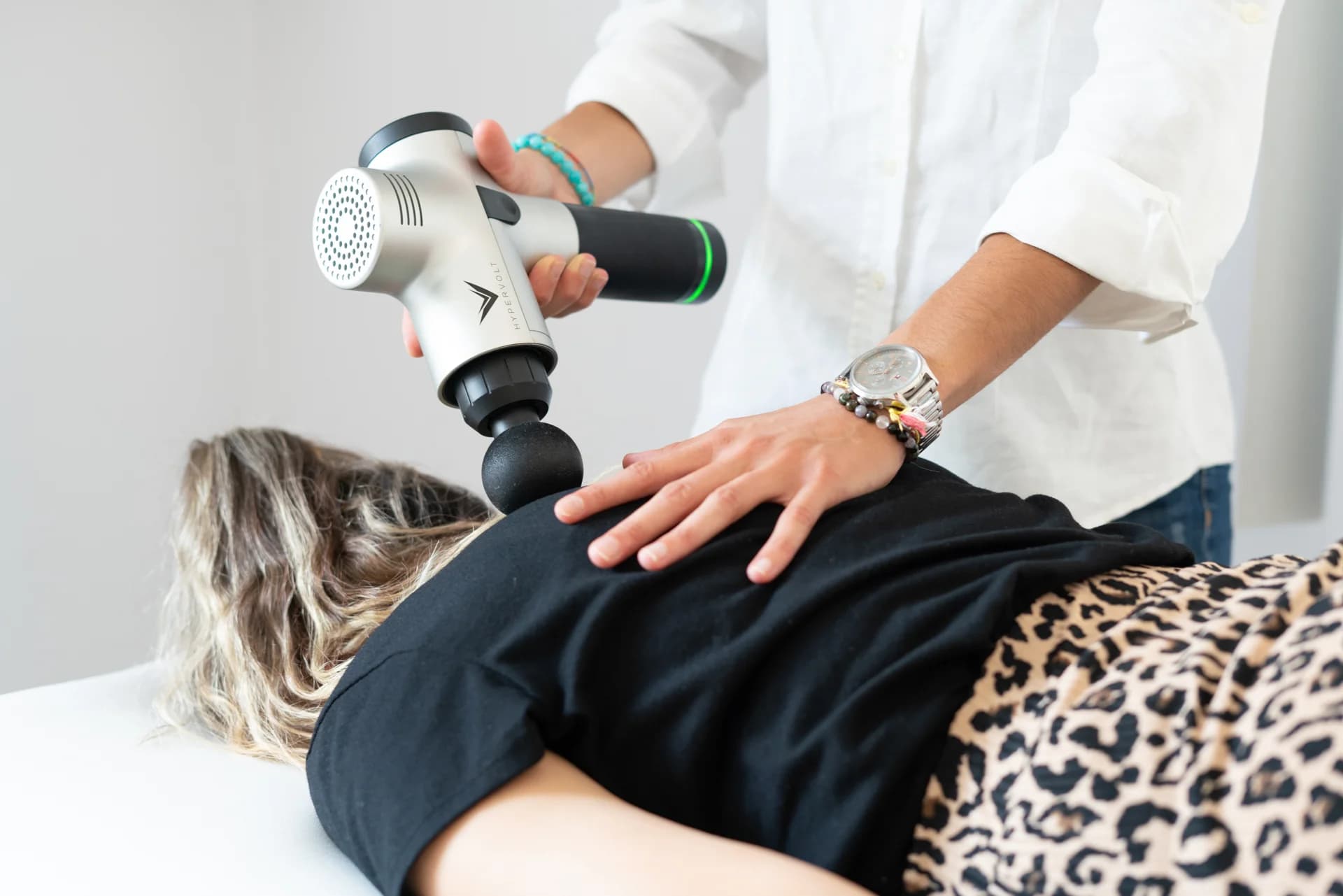
What Is Medical Massage?
Medical massage is a therapeutic massage aimed at a specific musculoskeletal complaint. What sets it apart from a massage for relaxation is that it starts with an assessment and has a clear goal: releasing a tight muscle, easing painful trigger points, reducing restricted movement or supporting recovery after hard training. At my clinic in Varlık, Muratpaşa, I give medical massage in one-to-one sessions, usually combined with exercise and manual therapy. Massage prepares the tissue and reduces tension; keeping the gains also takes regular exercise and small changes to everyday habits.
Who Can Benefit?
- Desk workers with neck and shoulder tension
- People whose back muscles stiffen from long hours of sitting
- Those with painful knots in the muscles (trigger points) and referred pain
- Athletes recovering after hard training, matches or races
- People who run, train in the gym or play team sports regularly
- Muscle stiffness and restricted movement left after an injury, once the acute phase is over
- Mild swelling that lingers after the acute phase of an injury
- Patients in a physiotherapy programme whose progress is held back by muscle tension
Techniques Used
Classic Therapeutic Massage
Swedish-based stroking, kneading and rhythmic movements warm the muscles and reduce tension. Usually used at the start of a session to prepare the tissue for deeper work.
Deep Tissue and Myofascial Release
Slow, sustained pressure works into the deeper muscle layers and the fascia around them. Used for long-standing stiffness and for tissue tension that limits movement.
Trigger Point Release
Tender, painful knots in the muscle are located and released with controlled pressure. Often used when pain spreads from the neck and shoulder to the head or arm.
Sports Massage
Planned around your training and competition schedule. Used to support recovery after heavy loading and to manage tension in hard-working muscle groups.
Gentle Drainage Techniques
For mild swelling that remains once the acute phase of an injury is over, I use very light, rhythmic strokes based on lymphatic drainage principles. This is not lymphoedema treatment; it is a gentle technique to help the swelling settle.
What a Session Looks Like
Your first visit starts with a free assessment. We talk about your complaint, when it began, your work, your training habits and any past injuries or illnesses. Then I look at your posture, your movement and the tissues in the painful area. As a physiotherapist I don't make diagnoses; my aim is to understand where the complaint is coming from and whether massage is right for you. When needed, I refer you to a doctor. If massage is suitable, we plan together which areas to work on and with which techniques. I adjust the pressure throughout the session based on your feedback. Most sessions finish with a few exercises or some manual therapy, and I give you a short programme to do at home. Sessions are one-to-one and can be held in English, Turkish or Russian. The clinic is open Monday to Friday 09:00–20:00 and Saturday 09:00–16:00.
What You Gain
- Less muscle tension and stiffness
- Easing of referred pain from trigger points
- Freer movement in the neck, shoulders and back
- Support for recovery after training and matches
- Loosening of stiffness left after an injury and better range of motion
- Help for mild swelling to settle after the acute phase
- An easier start to your exercise programme
- Awareness of the posture and work habits that build up tension
Frequently Asked Questions
How is medical massage different from a regular massage?
Is medical massage painful?
Who should not have medical massage?
How many sessions will I need?
Who is sports massage for?
Let's build the right plan for you
In the evaluation session we listen to your complaint, examine you, and draw up a personalized roadmap.